Erie CO Real Estate: What Buyers Should Know Before Making an Offer in 2026
Erie has a reputation for being a well-kept secret in the Denver-Boulder-Northern Colorado corridor — and that reputation is starting to spread. Straddling the Boulder-Weld County line about 26 miles from downtown Denver, 15 miles from Boulder, and within easy reach of the Fort Collins metro, Erie sits at the intersection of everything. Strong schools, newer construction, wide open space, and a small-town identity that coexists comfortably with serious growth — that combination draws buyers from a wide range of situations, and in 2026, the market there is worth paying close attention to.
If you're seriously considering Erie — whether you're a first-time buyer, upsizing from Denver, or relocating from out of state — this is a detailed look at what the market actually shows, what you need to know before making an offer, and how to approach Erie's specific dynamics without getting caught off guard.
What Erie Home Prices Look Like Right Now
Erie sits at a higher price point than most of Northern Colorado. Current market data puts the median sale price in Erie in the range of $699,000–$768,000 depending on the time frame and the source, with price per square foot around $257. That places Erie meaningfully above Fort Collins and Loveland medians and significantly above Windsor — a reflection of both Erie's Boulder County address on its western side and the quality of the school district that covers the area. For many buyers, the price premium tracks with the value they're getting.
What's interesting about Erie in 2026 is the combination of factors shaping the current moment. Average days on market have stretched out to around 43–47 days compared to much faster paces in 2021 and 2022. Months of supply has climbed, giving buyers more breathing room than they've had in years. At the same time, roughly half of active listings have gone through at least one price reduction, which tells you that sellers who came out priced aggressively based on peak-market expectations are having to recalibrate. That pattern creates specific opportunities for prepared buyers.
The sale-to-list price ratio is another useful data point. Erie homes are currently selling at around 96–97 percent of list price — meaning buyers are successfully negotiating modest but real discounts. That's a significant shift from 2021, when homes routinely sold at 102–105 percent of list with escalation clauses and waived contingencies. The market has normalized in a way that rewards buyers who know how to make clean, well-positioned offers without overpaying just to "win."
Why Erie Buyers Are Coming from So Many Directions
Erie's location is genuinely unusual. It's close enough to Boulder that Boulder-priced buyers find it attractive as a more affordable alternative — you get the same mountain views, similar outdoor access, and a comparable school quality at a meaningfully lower price per square foot. At the same time, Erie is close enough to Denver's northern suburbs that Denver-area buyers see it as a reasonable commute with a distinctly different quality of life. And for people relocating from out of state who are drawn to Colorado for its lifestyle, Erie's combination of newer construction and natural setting checks a lot of boxes.
The school factor is real and it drives a lot of buying decisions. Boulder Valley School District covers parts of Erie, and St. Vrain Valley School District — consistently one of Colorado's higher-performing districts — covers other sections. For buyers with school-age children, that distinction actually matters within Erie itself: which side of a street a home sits on can determine which district it falls in. Knowing this before you tour matters, and it's something worth flagging as part of your search criteria from the start.
Erie also attracts buyers who are specifically interested in new construction. The town has seen sustained development, and communities like Erie Commons, Colliers Hill, and several others have introduced a steady supply of newer homes over the last decade. If you're interested in what new construction means for your buying decision — and the specific dynamics of working with builders — I cover that in detail in a separate post on buying new construction in Northern Colorado.
What You Need to Know Before Making an Offer in Erie
Erie's market is still active even as it has softened from its peak. That means the most competitive properties — well-priced homes in desirable communities, updated resale inventory near good schools — still move in a reasonable timeframe and may still see multiple offers. Understanding which homes are likely to attract competition and which have more room to negotiate is where local market knowledge matters most.
The single most important thing you can do before making an offer on an Erie home is get your mortgage pre-approval fully buttoned up. Not a pre-qualification estimate, but an actual pre-approval with documentation reviewed by a lender. Erie's price range means you're typically financing $600,000–$750,000, which is a meaningful loan size where small differences in rate, loan type, and closing costs add up quickly. Starting this process early gives you time to compare lenders and understand your full cash-to-close picture before you find the home you want. My mortgage pre-approval page walks through what that process actually looks like and what to bring to those conversations.
Closing costs in Colorado are often underestimated by first-time buyers and out-of-state buyers alike. On a purchase in Erie's price range, closing costs typically run 2–4 percent of the loan amount — so anywhere from $12,000 to $30,000 on top of your down payment, before prepaid items like property taxes and homeowners insurance. If you're working through those numbers and want a full breakdown of what goes into cash-to-close in Colorado, the Colorado home buyer closing costs post covers this in detail.
Inspection is something Erie buyers should not skip, even on newer construction. Homes built in the last ten to fifteen years still have systems that need evaluation — and Colorado's climate puts specific stress on roofing, HVAC, and foundation drainage that may not be obvious to buyers coming from other regions. A qualified inspector who knows Colorado construction specifically is worth the cost. I have vetted referrals on the trusted local experts page.
The Erie Offer Strategy That Works in This Market
In the current Erie market, the buyers who are winning offers are the ones who lead with preparation rather than just price. A pre-approval letter from a reputable local lender, a clean contract without unnecessary contingencies, and an offer structured around what the seller actually needs — not just what a buyer is comfortable with — is the combination that works. That doesn't mean overpaying. It means presenting yourself as a buyer who can close reliably, which is genuinely valuable to a seller who has already been through one or two failed contracts.
Escalation clauses are still used in Erie when a listing is attracting multiple offers, but they're being used less reflexively than they were in the peak market. If a home has been sitting for 45 days and just took a price reduction, you likely don't need to escalate — you need to offer at or near the current list and use your inspection period wisely. If a home just listed at an accurate price in Colliers Hill or another high-demand community and shows up on a Thursday, you may be in a competitive situation by Sunday. Reading the specific listing's context is part of where an experienced agent adds tangible value.
Contingencies are broadly acceptable again in Erie's 2026 market, especially financing and inspection contingencies. That's a meaningful shift from 2021. Don't waive protections you need just out of habit or competitive anxiety. An experienced buyer's agent who knows the Erie market specifically can help you understand which contingencies to keep, how to negotiate repairs effectively, and when to push back versus when to let it go.
New Construction in Erie: What's Different About Buying a Brand-New Home
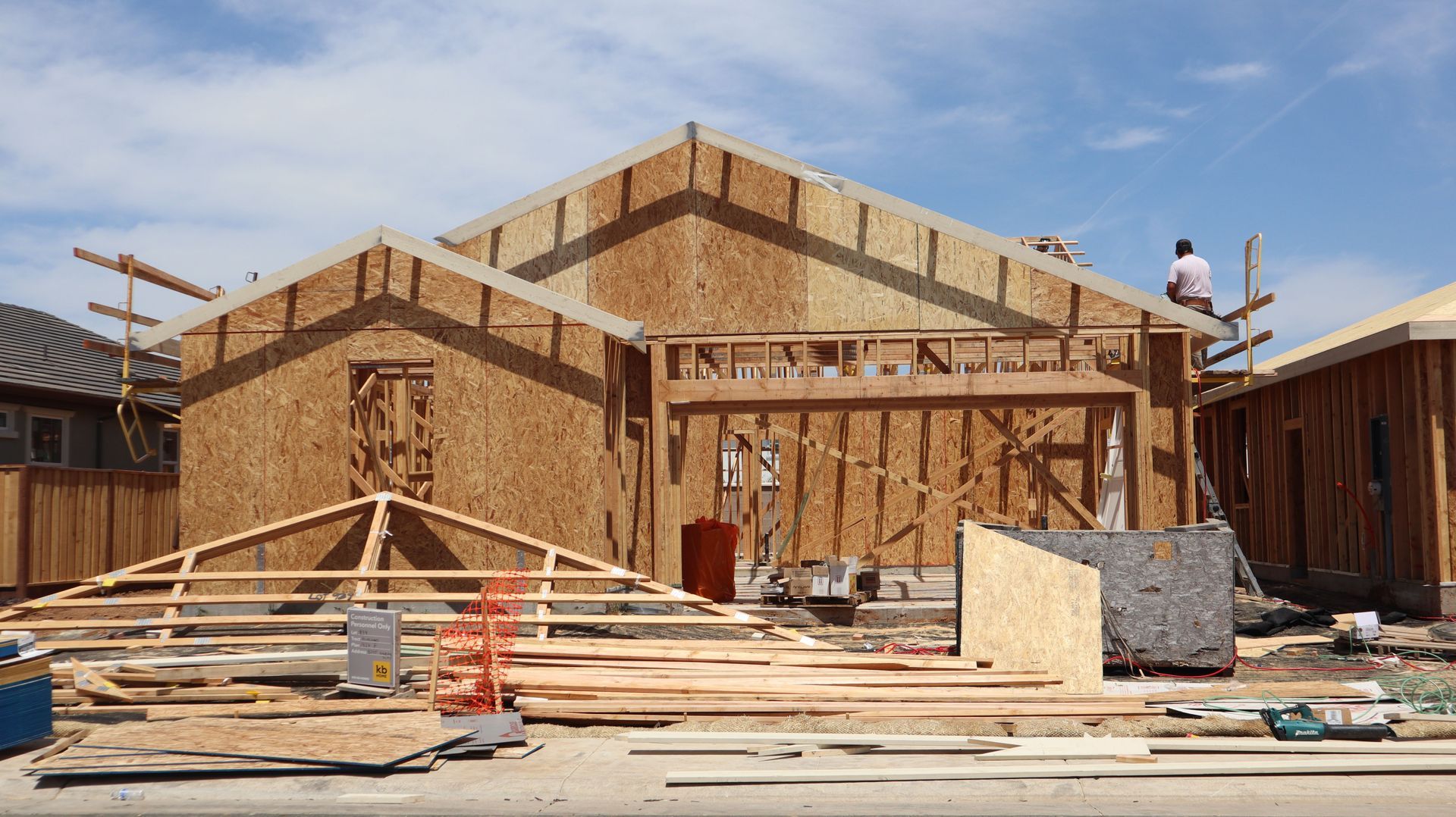
Erie has a meaningful share of new construction inventory — both homes under active build and move-in-ready inventory that builders are eager to sell. In the current environment, builders in Erie are offering concessions that weren't available during the peak market years: rate buydowns, closing cost credits, appliance packages, and design center allowances. These can be genuinely valuable, but they require you to understand what you're actually getting and how it compares to the open market.
The most important thing to understand about buying new construction in Erie — or anywhere in Northern Colorado — is that the builder's on-site sales agent works for the builder, not for you. Their job is to sell the builder's homes at the best possible price for the builder. That's not a criticism; it's just the nature of the role. Having independent representation costs you nothing as a buyer (builders pay buyer's agent commissions as a standard cost of doing business), and it gives you someone who is specifically focused on your outcome: contract review, inspection advocacy, negotiation of concessions, and making sure you understand the terms before you sign a 60-to-80-page builder contract.
If new construction in Erie is part of your search, the new construction buyers page explains how I approach those transactions and what working with a builder looks like with independent representation. And for a full breakdown of the process, the guide to buying new construction in Northern Colorado covers every stage from initial builder visit through closing.
How Erie Fits Into the Broader Northern Colorado Picture
If you're comparing Erie to other Northern Colorado markets, it helps to understand what you're actually trading off. Erie versus Fort Collins: Erie tends to have newer construction and more master-planned development, while Fort Collins has more urban amenity, a more established food and culture scene, and Old Town character that Erie doesn't have yet. Fort Collins also has the CSU presence and the economic depth that comes with it. The Fort Collins page gives a full overview of what that market looks like.
Erie versus Windsor: Windsor has the lake lifestyle that Erie doesn't — Water Valley specifically is unique in Northern Colorado. Erie has the Boulder County proximity and school district options that Windsor doesn't. Erie's price floor is also higher, which reflects the difference in location value. If you're genuinely comparing these two, I'd encourage you to read the Windsor market breakdown alongside this post to get a side-by-side picture of what each market offers right now.
Erie versus Boulder: Boulder's median listing price approaches $1 million. Erie's offers many of the lifestyle benefits — outdoor access, quality schools, mountain proximity — at a meaningfully lower price point. For buyers who want Boulder-area living without Boulder-area pricing, Erie is genuinely one of the strongest alternatives in the state.
Is Erie the Right Move for You?
Erie works best for buyers who value newer construction, strong schools, quick access to both Denver and Boulder, and a community feel that's growing without having lost its identity. It's a deliberately chosen market for a lot of buyers — not a fallback option or a compromise. At its price point, Erie competes on genuine merit, and for the buyers who are drawn to what it specifically offers, it's hard to replicate without spending more or sacrificing location.
If you're at the beginning of your Erie search — or if you've been watching the market and aren't sure whether now is the right time to act — I'd start with a conversation. You can get a sense of how I work with buyers on the buyers page, or if you're a first-time buyer working through the initial steps, the first-time home buyers page and the first-time homebuyer guide are good starting points.
Erie is a market that rewards buyers who do their homework and bring the right team. If you're ready to start putting that together, reach out on the contact page and let's talk through what your specific situation looks like.
Recent Post