Longmont CO Home Prices: What Buyers and Sellers Should Know in 2026
Longmont doesn't get the same amount of attention as Fort Collins or the Boulder headlines it sits next to, but it's one of the more interesting markets in Northern Colorado right now — and the 2026 numbers tell a story that both buyers and sellers should understand before making a move. Positioned along the US-287 corridor between Boulder and Fort Collins, Longmont offers something that's genuinely rare on the Front Range: walkable downtown character, solid school options, reasonable price points relative to its neighbors, and quick access to two of the most desirable job markets in Colorado.
Whether you're considering buying in Longmont, selling a home there, or trying to figure out how it compares to Fort Collins, Erie, or Windsor, this is a data-grounded look at where the Longmont market stands in mid-2026 and what it means for the decisions you're facing.
Longmont Home Prices: What the Data Shows
Longmont's median sale price has been holding in the $537,000–$600,000 range through the first half of 2026, depending on the data source and the time frame. Redfin data puts the three-month median sale price at around $537,000, essentially flat year-over-year. Movoto data for May 2026 shows a median closer to $600,000. Houzeo puts it at $575,000 with a 0.26% year-over-year increase. The range reflects both the diversity of Longmont's housing stock and the genuine choppiness of a market finding its level after several years of rapid price movement.
What matters more than the precise median is the direction. Longmont prices rose sharply from 2019 through mid-2023, then softened. From roughly March through September 2025, median prices drifted down about $16,000–$17,000 before largely plateauing. Since the fall of 2025, prices have been moving sideways — not collapsing, not recovering sharply, just stabilizing. The market is closer to a floor than a freefall, and that stabilization matters when you're trying to read which direction leverage is running.
Price per square foot is one of the metrics that tells a more optimistic story: Redfin shows Longmont's price per square foot up around 6% year-over-year, meaning that while gross sale prices have softened slightly, the per-square-foot value is actually firming up. That often reflects a shift in the composition of what's selling — larger, less expensive homes moving more — rather than depreciation of the market itself. ZIP code variation is meaningful: the 80501 ZIP code (east Longmont) tends to come in meaningfully below the city median, while 80503 (west Longmont, closer to the Boulder County line) runs significantly higher.
Days on market in Longmont have stretched out compared to the peak years, with homes now sitting around 50–51 days on average before going under contract. Sale-to-list ratios are running around 97.5–98.2%, meaning most sellers are closing at a modest discount from their ask. About half of active listings have seen at least one price reduction — a clear signal that initial pricing is running optimistic in many cases, and that sellers who price accurately from day one are moving faster than those who test the market high.
What This Means If You're Buying in Longmont
Buyers in Longmont in mid-2026 are in a meaningfully better position than they were two or three years ago. With homes sitting longer, price reductions common, and a sale-to-list ratio that confirms buyers are successfully negotiating below ask, the pressure to waive contingencies and escalate blindly is largely gone. You can do a proper inspection. You can ask for repairs or credits. You can take the time to understand what you're buying without the urgency that characterized 2021 and 2022.
At the same time, Longmont's most compelling value proposition — its price relative to Boulder — means it continues to attract buyers who are genuinely motivated to be there. Boulder's median listing price approaches $1 million. Longmont at $537,000–$575,000 offers the Front Range lifestyle, mountain proximity, a walkable downtown, and Boulder Valley School District access in parts of the city, at roughly 55 cents on the Boulder dollar. That gap doesn't disappear in a softening market, and it keeps Longmont from going into freefall even when conditions favor buyers broadly.
For buyers targeting the most accessible entry points, east Longmont's 80501 ZIP code consistently runs below the city median — sometimes by $80,000–$90,000 or more. That's where first-time buyers and investors are finding the most room to work in 2026. The Historic East Side neighborhood has older character housing with price points that can feel like a different market entirely compared to newer construction along the western edges of the city.
Before you start seriously touring in Longmont, make sure your mortgage pre-approval is fully in place — not a pre-qualification estimate, but a complete approval with documentation reviewed. My mortgage pre-approval page walks through what that process looks like and why it matters even in a buyer-friendly market. And if you're a first-time buyer working through the overall process, the first-time home buyers page and the first-time homebuyer guide give you a full step-by-step foundation.

What This Means If You're Selling in Longmont
The most important thing for Longmont sellers to understand in 2026 is that pricing accuracy matters more now than at any point in the last several years. When half the market is taking price reductions, the sellers who come out priced correctly from the start are capturing buyer attention early — before competing homes come down to the same level. A home that goes on market at the right number and sits clean, well-staged, and well-photographed typically performs dramatically better than a home that starts high, accumulates days on market, then takes a cut.
The 45–65 days on market that's typical in Longmont right now means your first two to three weeks of listing activity are critical. That's when the most engaged, most qualified buyers are looking at new inventory. If you price too high in that window, you miss them — and the buyers who come after are the ones who've already passed on the home at the higher price. This is the pricing dynamic I walk through with every seller as part of the listing strategy process. Getting a realistic current market value for your home is the right starting point, and you can request that on the home value page.
For longtime Longmont owners — people who've been in their homes for ten years or more — the equity picture is still strong even with recent softening. Prices are down modestly from 2023 peaks but are still well above where they were in 2018 or 2019. If your motivation to sell is driven by life circumstances rather than pure market timing, 2026 is a reasonable time to act: inventory is higher than it was during the frenzy, which makes buying your next home more manageable at the same time you're selling. That coordination is particularly important for downsizers — a topic I cover in detail in the Northern Colorado downsizing guide.
Longmont Neighborhoods and What They Offer
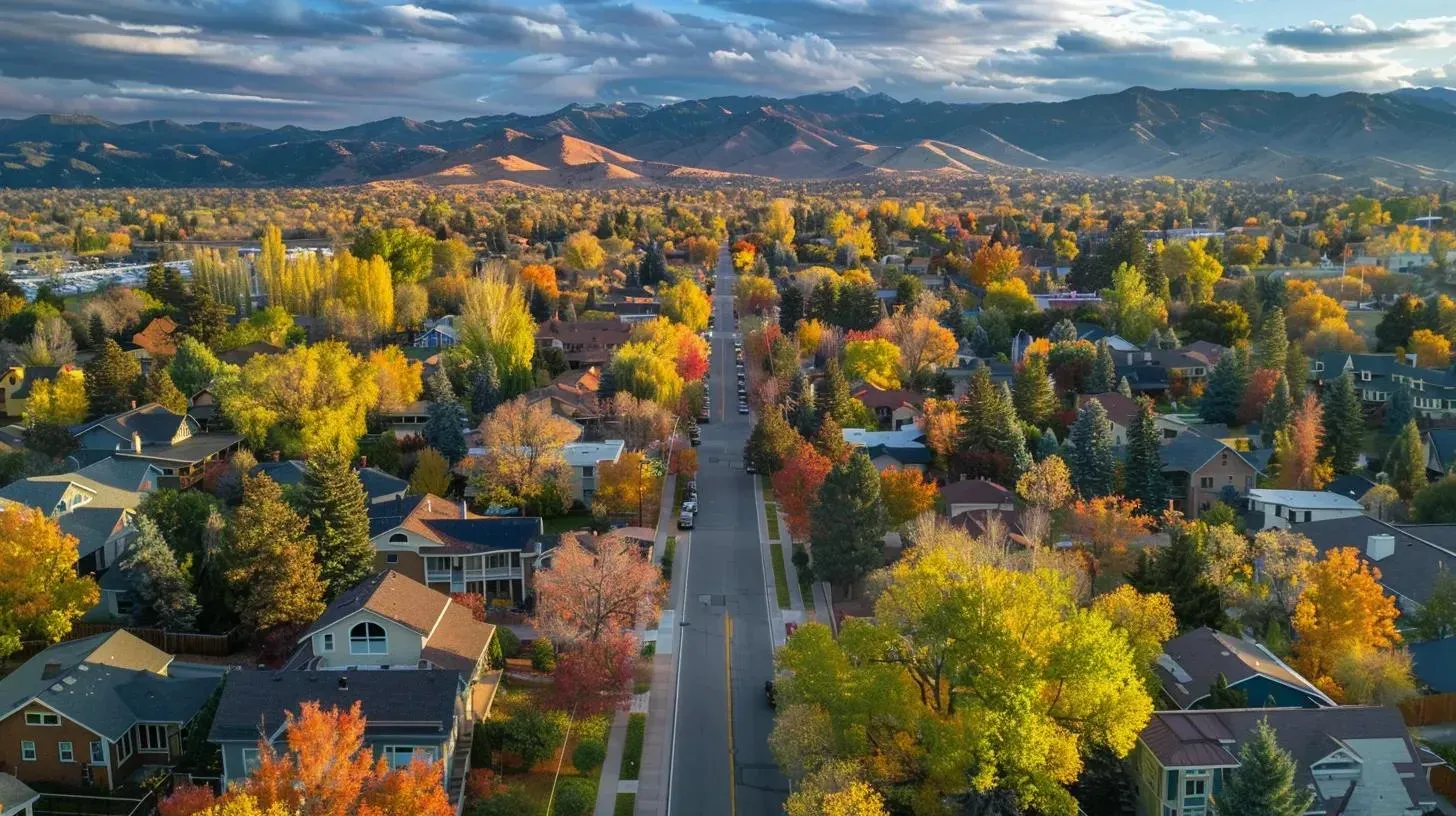
Longmont's neighborhood diversity is part of what makes it interesting as a market — and part of what makes the city median a somewhat blunt instrument for understanding specific purchase decisions. The city spans roughly twelve square miles and covers everything from established historic neighborhoods with homes from the 1920s and 1930s to newer master-planned subdivisions along the north and west edges. Price, character, and buyer profile vary considerably across these zones.
Old Town Longmont and the Historic East Side offer the walkable downtown access that Longmont buyers specifically seek. The Main Street corridor, with its restaurants, shops, and the Longmont Museum, is genuinely walkable from these neighborhoods — a rarity at Longmont's price point. Homes here tend to be older with more character but also more deferred maintenance potential, and they attract buyers who specifically want historic charm over newer construction amenities.
South Longmont and the Thompson River Parkway area represent the core of the mid-range market, with pricing that aligns closely with the city median. These neighborhoods have solid schools, good parks access, and a mix of 1970s–1990s construction that's affordable enough for move-up buyers and investors. They hold value steadily and don't see the same volatility as the higher-priced western neighborhoods. North Longmont's newer developments command premium pricing, often exceeding the city median significantly, and attract buyers who want newer construction with the Longmont address without the Boulder price tag.
The Boulder County line proximity is a defining characteristic of western Longmont's appeal. Neighborhoods in that area benefit from Boulder Valley School District coverage, which consistently ranks among Colorado's top-performing districts. For families prioritizing school district, knowing exactly which district a specific home falls in — BVSD versus St. Vrain Valley — is a meaningful part of the purchase decision in Longmont, just as it is in Erie. This is the kind of detail that shapes a search from the beginning and is worth mapping before you start touring. You can see Longmont's current listings on the Longmont listings page.
How Longmont Compares to the Northern Colorado Market
Longmont occupies a specific niche in the Northern Colorado market: it's the most affordable option for buyers who need Boulder County proximity or Boulder Valley School District access, while also being competitive with Fort Collins for buyers who want a walkable downtown character at a reasonable price point.
Compared to Fort Collins, Longmont typically runs somewhat lower in median price — Fort Collins has been holding around $550,000–$590,000 depending on the neighborhood and time frame. The gap has narrowed over the last few years as Longmont appreciated, but it remains real. The character difference is also real: Fort Collins has Colorado State University, a larger entertainment and dining economy, and Old Town Fort Collins, which is genuinely one of the best urban cores in Northern Colorado. Longmont's downtown is excellent but more intimate. The Fort Collins page and the Fort Collins median home price breakdown give a direct comparison for buyers considering both.
Compared to Erie, which sits at the southeast edge of the same county, Longmont is generally more affordable and more urban in feel. Erie has newer construction and strong school options but lacks the walkable downtown character. The Erie buyer guide covers that market in depth for buyers comparing the two.
For buyers with investment intent, Longmont deserves specific consideration. The price point is accessible enough that the numbers can work for long-term rental properties in a way they don't always in higher-cost markets. I cover the investor angle for Northern Colorado more fully in the separate Northern Colorado investment guide for 2026.
Is Longmont the Right Market for You?
Longmont makes the most sense for buyers who specifically value walkable downtown character, Boulder County access, or Boulder Valley School District coverage — and who don't want to pay Boulder prices to get it. It's also a strong choice for buyers who are priced out of Erie's $700,000+ market but want something more established than the smaller Weld County towns further east. At its current price point, Longmont offers genuine value relative to its location, and the stabilizing market gives buyers time to make thoughtful decisions.
For sellers, the message is that the market is still functional but less forgiving than it was at the peak. Accurate pricing, proper preparation, and good photography and marketing matter more than they did two years ago. The buyers are there — they're just being selective, and they have options. Winning their attention requires positioning your home well from the start.
If you're buying, selling, or investing in Longmont and want to talk through what the market looks like for your specific situation, I'm happy to have that conversation. You can reach me through the contact page, or if you're still in the early research phase, the buyers page and sellers page walk through how I approach each side of the transaction.
Recent Post