
Is a Duplex Considered a Single-Family Home?
A duplex is typically a two-unit property, but its classification can change depending on zoning, title, financing, appraisal, and insurance rules. Here is what Colorado buyers should verify before making an offer.
Brandon RearickOctober 7, 20267 min read
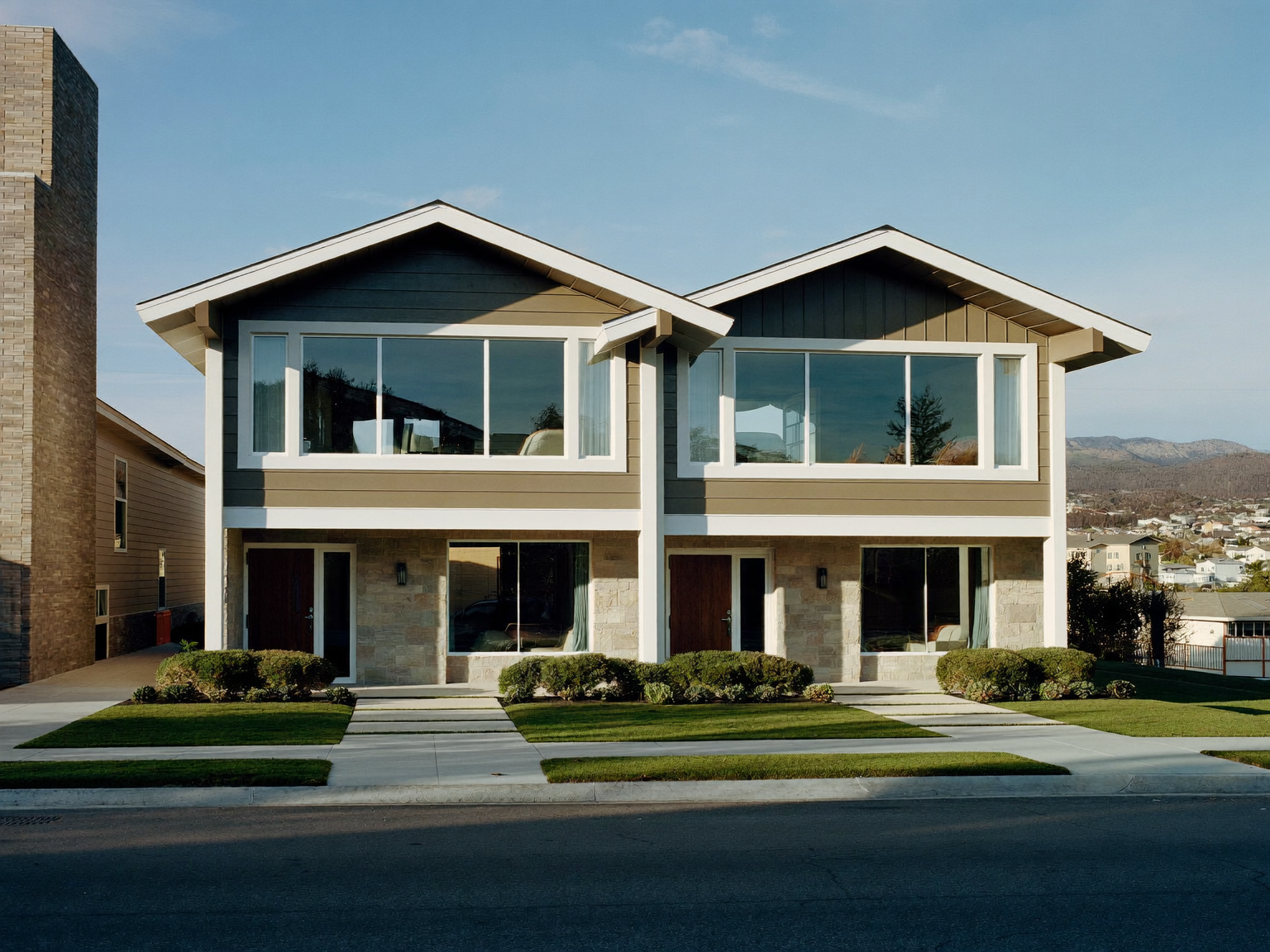
A duplex is generally not treated as a single-family home when both units are sold together on one parcel. But the right answer depends on which rule you mean because zoning, title, appraisal, insurance, taxation, and mortgage underwriting can each classify the same building differently.
That distinction matters if you plan to occupy one unit, rent the other, calculate future income, or compare the property with a traditional detached house. Before making an offer, I recommend confirming what the property legally is rather than relying on the listing description.
What actually makes a property a duplex?
A duplex is a residential building designed or legally approved for two dwelling units. Each unit normally has its own living space, kitchen, bathroom, and entrance, although layouts vary considerably.
The two units may be arranged side by side or stacked vertically. They may share a wall, floor, roof, yard, driveway, utility system, or mechanical equipment. Those physical features help describe the building, but they do not establish whether both units are legal.
The ownership structure is equally important. A conventional duplex is often sold as one property on one parcel, with one owner controlling both units. A side-by-side building may instead be divided into separately titled attached homes. In that situation, each half may be treated more like a townhome or single-family attached residence than a two-unit investment property.
This is why photographs and listing remarks are not enough. I want to see the legal description, county records, zoning information, permit history, and available documentation for both units.
Why can the same duplex have several classifications?
Real estate terminology changes depending on the purpose of the classification. A county assessor may use one category for taxation, a municipality may use another for zoning, and a lender may apply residential mortgage guidelines for a two-unit property.
An insurance company also looks at the building through its own lens. It may consider whether the owner occupies a unit, whether the other unit is rented, how utilities are configured, and whether the property has shared systems. An appraiser is focused on the legal use, physical configuration, market-supported comparable sales, and income potential when applicable.
None of these classifications automatically overrides the others. A property appearing as a duplex in the Multiple Listing Service does not prove that the local government recognizes two legal dwelling units. Likewise, an assessor’s record showing two units does not guarantee that every addition or conversion was properly permitted.
Is a duplex a single-family home for mortgage purposes?
Usually, a duplex sold as one parcel is underwritten as a two-unit residential property rather than a one-unit single-family home. It can still qualify for residential financing, including certain owner-occupied loan programs, but down payment rules, reserve requirements, appraisal procedures, and treatment of projected rent may differ by lender and loan type. I recommend completing a detailed mortgage pre-approval for a two-unit purchase before touring because a generic approval based on a detached house may not answer the right questions.
Can rental income from the second unit help a buyer qualify?
Potentially, but buyers should not assume that all advertised rent will count toward mortgage qualification. The lender may require a lease, an appraisal rent schedule, prior landlord history, cash reserves, or other documentation, and it may apply its own adjustment to the expected income. As someone with more than 14 years of mortgage lending experience, I treat qualifying income and investment cash flow as separate calculations because a loan can be approvable even when the property is a poor investment, and a promising rental can still fail a lender’s documentation rules.
Is a property still a duplex if one unit is not permitted?
Physically it may look and function like a duplex, but legally it could be a single-family home with an unauthorized second unit. That can affect financing, insurance, appraisal, rent collection, resale, and the owner’s ability to rebuild the second unit after major damage. Buyers should ask the appropriate city or county department to confirm the recognized use and permit history in writing, then have their lender, insurer, and real estate attorney evaluate any remaining uncertainty.
Is half of a duplex considered a single-family home?
It can be. If each side has a separate legal description and title, an individual half may be classified as a single-family attached home, townhome, or another one-unit residential form. If both sides remain on one parcel under one title, a buyer is generally purchasing the entire two-unit property rather than one single-family residence. The recorded plat, deed, ownership documents, and any common-interest community documents are more reliable than the architectural style.
Can a duplex have an HOA?
Yes. A duplex may be located in a homeowners association, especially when it is part of a planned community or when each side is separately owned. Buyers should review what the association maintains, whether exterior alterations or rentals are restricted, how insurance responsibilities are divided, and whether there are shared maintenance agreements outside the HOA documents. A low-maintenance appearance does not necessarily mean the association covers the roof, structure, driveway, landscaping, or shared utility lines.
Is a duplex automatically a good investment?
No. A duplex can support house hacking or long-term rental income, but the label alone says nothing about operating costs, condition, rent potential, vacancy risk, maintenance, or financing. I recommend evaluating each unit separately and the property as a whole, including taxes, insurance, utilities paid by the owner, expected repairs, capital improvements, and realistic rent assumptions. A rental property return calculation can help organize those inputs before you decide whether the opportunity fits your goals.
What should buyers verify before making an offer?
The most important work is confirming that the property being advertised matches the property the government, lender, insurer, and appraiser will recognize. I use the following questions as a starting point:
- Are two dwelling units legally permitted at the address?
- Is the duplex located on one parcel or divided into separate legal lots?
- Does the recorded bedroom and bathroom count match the current layout?
- Were basement finishes, additions, kitchens, and utility changes permitted?
- Are gas, electric, water, sewer, and trash services separately metered?
- Who pays each utility when one unit is rented?
- Are there existing leases, deposits, concessions, or tenant notices?
- Does zoning allow the buyer’s intended occupancy and rental use?
- Are short-term rentals restricted by local rules or association documents?
- Does the insurance quote accurately reflect two units and the intended occupancy?
- Will the lender treat the property as one unit or two?
- What comparable sales and rents are likely to influence the appraisal?
A buyer should also arrange appropriate inspections. Shared roofs, sewer lines, foundations, electrical service, heating equipment, and drainage can create expenses that affect both units at once. If the building is older or has been converted, the inspector may recommend evaluations by licensed electricians, plumbers, structural engineers, sewer specialists, or other trusted local experts.
How do location and local rules affect duplex ownership?
Duplex rules are local. Municipal zoning codes, county regulations, licensing programs, occupancy standards, parking requirements, and rental restrictions can differ even between nearby communities.
For example, a buyer considering investment property in Fort Collins should verify the property’s specific zoning and current rental requirements with the City of Fort Collins. Someone evaluating opportunities in Greeley or Berthoud should complete the same address-specific review with the governing municipality or county rather than assuming Front Range rules are uniform.
School boundaries also vary by address and can change. Buyers who care about school assignment should verify attendance directly with the applicable school district instead of relying only on a listing, map, or third-party website.
The practical issue is not which city has the simplest label. It is whether a particular address supports your intended use without depending on an unverified assumption.
How does a duplex compare with a detached rental home?
A duplex gives an owner two living units within one property, which can create income flexibility. An owner-occupant may live in one side while renting the other, or an investor may lease both. A detached rental provides one unit and may have fewer shared-system questions, but it also relies on a single tenancy for rental income.
Neither structure is automatically better. The decision should reflect your financing, management capacity, repair budget, privacy expectations, location preferences, and long-term exit plan. My duplex versus single-family property guide can help frame that comparison before you evaluate individual listings.
Resale deserves attention as well. Future buyers may include owner-occupants and investors, but their financing and return requirements may differ. A legal, well-documented duplex with understandable expenses is easier to evaluate than a property whose second unit depends on informal history or assumptions.
What is the safest way to buy a duplex in Colorado?
Start with financing that specifically accounts for a two-unit property, then investigate legal use, title, leases, permits, insurance, condition, and operating costs during due diligence. Do not treat projected rent as guaranteed income, and do not assume an occupied second unit proves that the use is legal.
I also recommend building two budgets. The first is the lender’s qualification analysis. The second is your ownership plan, including repairs, vacancy, utilities, maintenance, and larger future projects. Keeping those calculations separate makes it easier to see whether the property is both financeable and sensible for you.
If you are actively comparing duplexes, small multifamily properties, and detached rentals, my broader Colorado real estate investing resources explain how I approach the purchase from both the real estate and mortgage sides. The central question is not simply whether a duplex counts as a single-family home. It is how every relevant party will classify the specific property you want to buy, and whether that classification supports your financing and ownership plan.
Related Articles
- Northern Colorado Real Estate Investment in 2026: Cash Flow, House Hacking, and Where the Numbers WorkA practical 2026 guide to Northern Colorado real estate investing: where cash flow works, how house hacking changes the math, multifamily analysis, and how to evaluate deals today.
- Investing in Northern Colorado Real Estate: Trends and Tips for 2025Explore rental trends, investor tips, and landlord law updates in Fort Collins, Loveland, Windsor, and more with Brandon Rearick.
- What Should Broomfield Sellers Fix Before Listing?Broomfield sellers should address defects that threaten safety, insurance, financing, or buyer confidence before worrying about cosmetic upgrades. A careful repair plan can protect the transaction without wasting money on improvements buyers may not value.