
Are Duplexes Cheaper Than Single-Family Homes?
A duplex is not automatically cheaper to purchase, but rental income can make it less expensive to own. The right comparison includes financing, repairs, utilities, vacancy risk, and resale.
Brandon RearickOctober 21, 20268 min read
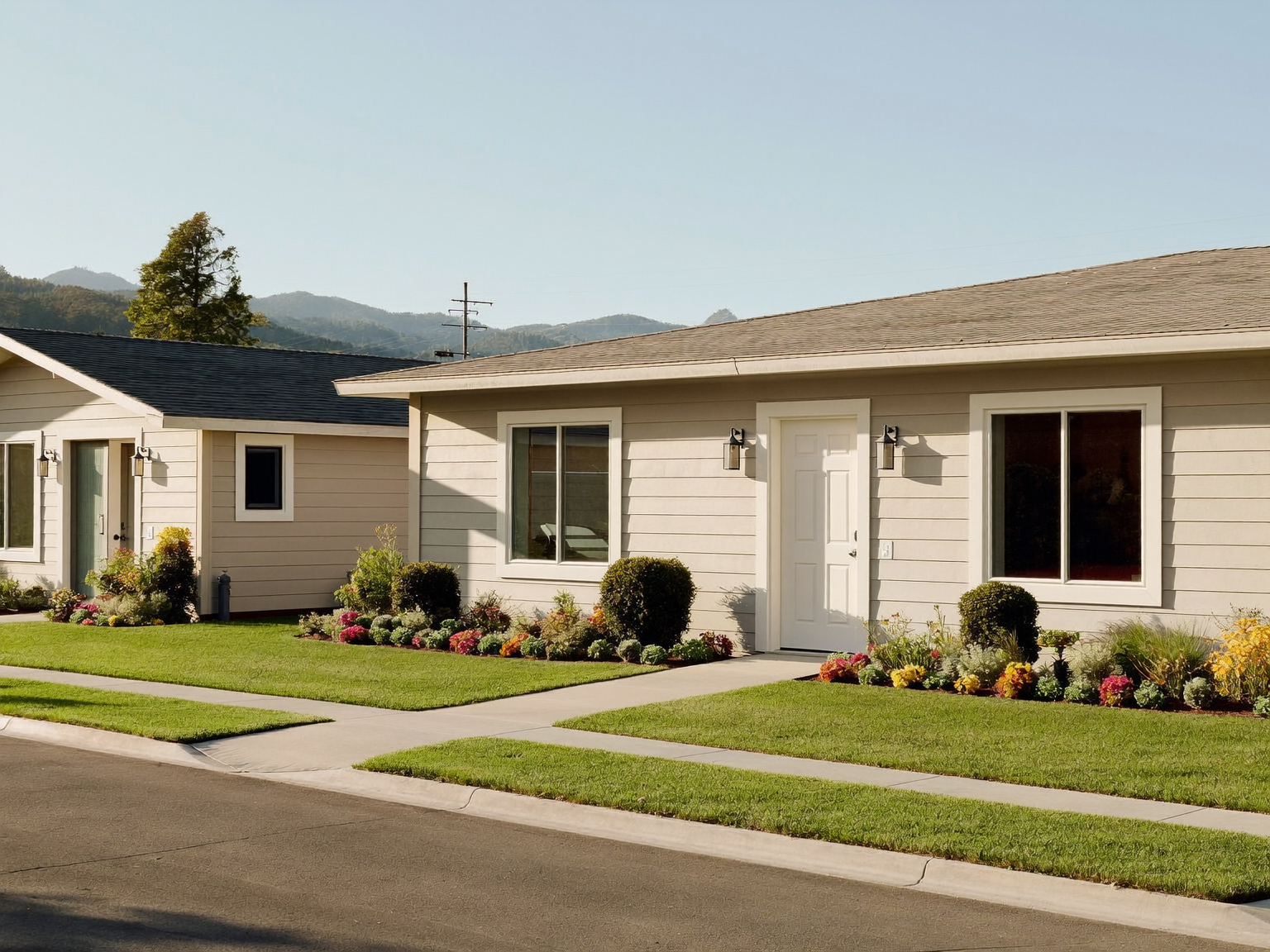
Sometimes, but not in the way most buyers expect. A duplex may cost more to purchase than a comparable single-family home, yet cost less to own if rent from the second unit reliably offsets the mortgage and other expenses.
The important question is not which property has the lower listing price. It is which property produces the better combination of monthly cost, maintenance exposure, financing terms, flexibility, and resale value for your situation.
What does “cheaper” actually mean?
Buyers often compare a duplex and a detached home by looking at price alone. That leaves out the main financial distinction: a duplex can produce income while you live in one unit or rent both units.
I recommend making the comparison through four separate lenses:
- **Acquisition cost:** Purchase price, down payment, closing costs, immediate repairs, and required reserves.
- **Monthly carrying cost:** Principal, interest, property taxes, insurance, utilities, maintenance, and any association dues.
- **Net ownership cost:** Carrying cost minus a conservative estimate of collected rent.
- **Long-term position:** Future repairs, rental demand, management burden, financing flexibility, and resale options.
A single-family home can have the lower purchase price and still require more money from your household each month. A duplex can have the higher price but a lower net monthly cost after rent. Neither outcome is guaranteed.
Use a property-specific analysis rather than assuming every second unit will remain occupied or command the advertised rent. My rental property calculator can help organize the income and expense assumptions before you make an offer.
How does financing change the comparison?
Financing can determine whether a duplex is practical long before projected rental income becomes relevant. An owner-occupied duplex may qualify for different terms than a property purchased entirely as an investment, but occupancy requirements and loan rules matter.
A lender may consider rental income from the other unit when qualifying you. That does not mean every dollar of projected rent will count. The lender may require a current lease, an appraisal with a market-rent schedule, evidence of reserves, or additional documentation. The exact treatment depends on the loan program, borrower profile, and property.
Before touring duplexes, get a mortgage pre-approval based on the correct property type. Tell the lender whether you intend to occupy one unit, whether either unit is currently leased, and how much cash you plan to keep after closing.
My background includes more than 14 years in mortgage lending, and this is one of the areas where I see buyers make avoidable mistakes. A payment estimate from a single-family home search should not simply be carried over to a duplex. Insurance, appraisal requirements, rent treatment, and reserve expectations can differ.
Which expenses can erase the rent advantage?
Rental income is only one side of the calculation. A duplex can also expose an owner to more fixtures, appliances, plumbing, heating equipment, and tenant-related turnover than a detached home occupied by one household.
Important items to investigate include:
- Whether gas, electricity, and water are separately metered
- Who pays each utility under the existing lease
- Whether the units share a furnace, boiler, water heater, sewer line, or laundry area
- The remaining life of the roof, exterior materials, and mechanical systems
- Whether each unit has its own entrance, parking, storage, and outdoor space
- Current lease terms, deposits, concessions, and renewal dates
- Any deferred maintenance that may affect both units at once
- Insurance coverage and landlord-related requirements
Vacancy also needs to be treated as a normal ownership risk rather than a rare emergency. Even a desirable unit can sit empty during repairs, marketing, tenant screening, or turnover. I would not base an offer on the assumption that rent will arrive every month without interruption.
The same applies to maintenance. A projected rent offset is not fully available for the mortgage if part of it needs to remain in a reserve account for repairs and future capital expenses. Buyers can use general mortgage and affordability calculators, but the final worksheet should include property-specific operating costs.
Is the duplex legally recognized as two units?
A property’s physical appearance does not prove that both units are lawful. Before buying, confirm the approved use, zoning status, permit history when available, and how the property is described in title, appraisal, and public records.
This is especially important with converted houses. A listing may describe a basement apartment, accessory unit, or separate living area, but those terms do not necessarily mean the property is a legal duplex. Financing and insurance can become difficult if the lender, appraiser, municipality, and listing information do not agree about the property type.
I also look closely at practical details such as safe access, parking, utility arrangements, and whether the current use can continue after ownership transfers. Questions involving zoning, leases, deposits, or tenant rights may require confirmation from the applicable municipality, title company, attorney, or property manager.
Where should Colorado buyers compare duplexes?
The right market depends on your financing, commute, tenant plan, and tolerance for maintenance. Instead of declaring one city universally cheaper, I compare actual available properties and their likely expenses.
A buyer might examine duplex opportunities in Greeley, compare them with housing near employment and Colorado State University in Fort Collins, or consider a smaller Front Range community such as Berthoud. The useful comparison is not based on a city’s reputation. It is based on a specific property’s price, condition, permitted use, rent support, location, and financing.
If schools affect your decision, verify attendance eligibility for the specific address directly with the applicable school district. Boundaries and enrollment rules can change, and a city name alone does not establish school assignment.
When does a single-family home make more sense?
A duplex is not automatically the financially safer choice. A detached home may make more sense when privacy, control of the entire property, simpler maintenance, or a broader resale audience matters more than rental income.
The single-family option may also be preferable if buying the duplex would leave you without adequate cash reserves. Rental income cannot eliminate the risk of a major repair, vacancy, or nonpayment. Stretching to acquire an income-producing property can be more dangerous than purchasing a simpler home with a comfortable payment.
Lifestyle should be included in the decision. Living next to a tenant can make management convenient, but it can also blur boundaries. You may hear maintenance concerns immediately, share outdoor areas, or need to enforce lease terms with someone living on the other side of a wall.
Buyers who are still deciding between property types can review my duplex versus single-family comparison and the broader Colorado home-buying process.
How I would evaluate a duplex before offering
I start with the property as a home, then analyze it as a small rental business. Both sides need to work.
First, I review the physical layout, condition, utility setup, parking, privacy, and likely repair needs. Next, I examine available lease information and determine whether the proposed rent is supported rather than merely advertised. Then I coordinate with the lender so the qualification assumptions match the actual property and intended occupancy.
The offer should reflect more than cosmetic condition. Existing leases, tenant possession, security deposits, inspection access, appraisal risk, and documentation deadlines can all affect the transaction. If a unit is occupied, the buyer also needs a clear understanding of when possession transfers and which landlord obligations will transfer at closing.
After 76 closed transactions in the last five years, my view is straightforward: a duplex works best when the deal remains reasonable under conservative assumptions. If the purchase only works with maximum rent, uninterrupted occupancy, and no meaningful repairs, it is probably too fragile.
Common questions about duplex costs
Is a duplex always cheaper per unit than a house? No. A duplex’s price reflects its location, condition, land, rental potential, layout, and legal status. Dividing the price by two units can be a useful reference, but it does not account for shared systems, unequal unit sizes, repairs, or financing. Compare the complete ownership cost rather than relying on a simple per-unit calculation.
Can projected rent help me qualify for a duplex? It may, particularly when you plan to occupy one unit, but the lender decides how much income can be used and what documentation is required. Do not assume the full advertised rent will reduce your qualifying payment. Have the lender review the expected property type, occupancy plan, leases, and appraisal requirements before you write an offer.
Is a duplex a good option for a first-time buyer? It can be if the buyer is financially prepared for both homeownership and landlord responsibilities. Rental income may reduce the net monthly burden, but the buyer also needs reserves, an appropriate loan, and a willingness to handle maintenance and lease compliance. A duplex should still be affordable during a vacancy or major repair.
What duplex expenses do buyers most often overlook? Shared utilities, tenant turnover, landscaping, snow removal, pest control, landlord insurance, appliance replacement, and maintenance across two living spaces are commonly underestimated. Buyers also overlook the cost of bringing an unpermitted or poorly converted unit into compliance. An inspection and document review should address the entire property, not just the unit the buyer plans to occupy.
Do I need professional property management for one duplex? Not necessarily, but you need a realistic management plan. Self-management can reduce direct expenses, while professional management may provide separation, leasing support, and established procedures. The right choice depends on your schedule, proximity to the property, familiarity with Colorado rental requirements, and comfort handling tenant communication.
What is the simplest way to compare a duplex with a house? Build two side-by-side ownership budgets using lender-confirmed payments and conservative expenses. For the duplex, include rent that is supportable, a vacancy allowance, maintenance reserves, landlord-related insurance, utilities paid by the owner, and management costs even if you initially plan to self-manage. Then compare the budgets alongside privacy, workload, cash reserves, and resale flexibility.
Related Articles
- Is a Duplex Considered a Single-Family Home?A duplex is typically a two-unit property, but its classification can change depending on zoning, title, financing, appraisal, and insurance rules. Here is what Colorado buyers should verify before making an offer.
- Northern Colorado Real Estate Investment in 2026: Cash Flow, House Hacking, and Where the Numbers WorkA practical 2026 guide to Northern Colorado real estate investing: where cash flow works, how house hacking changes the math, multifamily analysis, and how to evaluate deals today.
- Investing in Northern Colorado Real Estate: Trends and Tips for 2025Explore rental trends, investor tips, and landlord law updates in Fort Collins, Loveland, Windsor, and more with Brandon Rearick.