
How Do You Find 55+ Homes in Fort Collins?
Finding a true 55+ home in Fort Collins requires more than selecting an age-restricted filter. Buyers should verify occupancy rules, ownership structure, financing, amenities, and resale restrictions before making an offer.
Brandon RearickNovember 4, 20268 min read
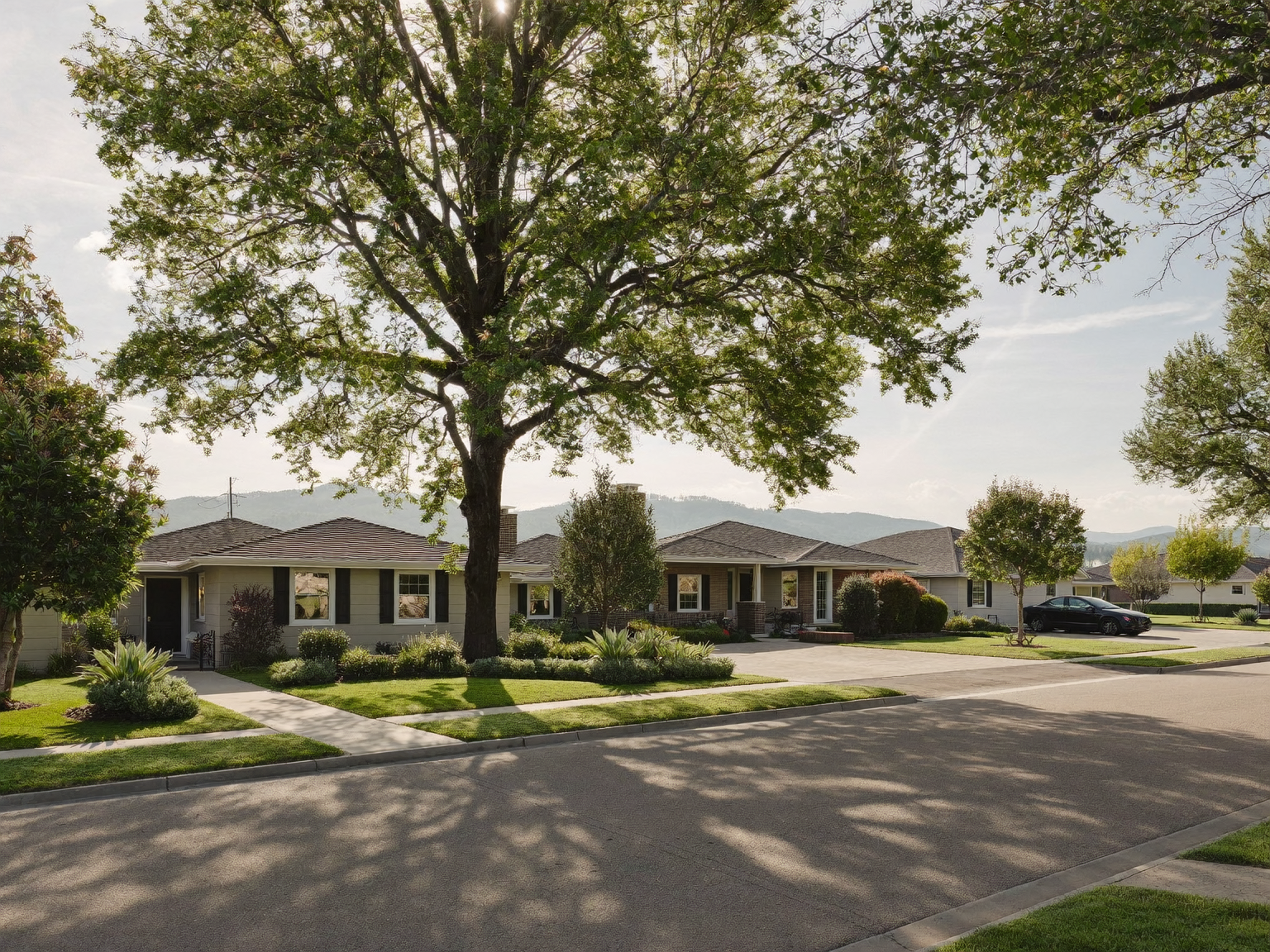
You find true 55+ homes in Fort Collins by combining a targeted property search with a careful review of the community’s recorded age restrictions and governing documents. Do not rely only on an online listing, community name, or marketing description because those sources may not tell you who can occupy the home, what you own, or how the property can be financed.
Fort Collins has fewer clearly age-qualified ownership choices than buyers often expect. It also has conventional patio homes, condos, townhomes, and single-level houses that appeal to older adults without legally restricting residents by age. The right choice depends on whether you want an age-qualified community specifically or simply a lower-maintenance home near the services and activities you use.
Start with the lifestyle, not the label
“55+” is often used as shorthand for several very different housing arrangements. One property may be a conventional home in an age-qualified homeowners association. Another may involve a manufactured home with a separate agreement for the land. A third may be senior-oriented housing that provides services rather than traditional real estate ownership.
Before searching, I ask buyers what they are actually trying to accomplish:
- Do you want neighbors in a similar stage of life?
- Are you trying to eliminate stairs or reduce exterior maintenance?
- Do you want organized activities and shared amenities?
- Is proximity to health care, shopping, trails, or family the priority?
- Do you need a garage, private yard, guest room, or space for a pet?
- Are you comfortable with an HOA or community approval process?
- Do you plan to use financing, or will you purchase with cash?
These answers determine whether an age restriction is essential. A buyer who mainly wants one-level living may find more options by comparing 55+ communities with conventional homes in areas such as the Harmony Corridor or Fossil Creek.
What counts as a 55+ community in Colorado?
A legitimate 55+ community operates under federal and state fair housing rules that permit qualifying housing for older persons to restrict occupancy based on age. The association or housing provider should have written policies, recorded restrictions, and a process for verifying resident ages. Ownership and occupancy are not always treated the same way, so a younger person may potentially hold title while the people living in the home must satisfy the community’s rules. I review the actual documents for the specific property rather than treating “senior,” “active adult,” or “retirement” as interchangeable legal terms.
Search beyond the standard age-restricted filter
The age-restricted field in a multiple listing service is a useful starting point, but it is not a substitute for research. Listing information can be incomplete, entered incorrectly, or copied from an earlier sale. Some listings that would work well for older buyers may not appear under that filter at all because the neighborhood is not legally age-qualified.
I normally run parallel searches for:
1. Properties identified as age restricted. 2. Main-floor primary bedrooms and main-floor laundry. 3. Ranch and patio-home layouts. 4. Condos or townhomes with exterior maintenance included. 5. Homes near daily services and preferred transportation routes. 6. Properties with entrances, halls, and bathrooms that fit the buyer’s mobility needs.
This approach allows buyers to compare a formal 55+ setting with the broader range of homes available through the Fort Collins community page. It also helps prevent the age-qualified label from overshadowing the actual property condition, location, and monthly obligations.
Is Sunflower an option for Fort Collins 55+ buyers?
Sunflower is one of the active-adult names Fort Collins buyers commonly encounter, but I would still investigate the specific home and current community documents before drawing conclusions about a purchase. Manufactured-home communities can involve different title, land, lease, fee, approval, insurance, and financing arrangements than conventional detached real estate. Buyers should confirm exactly what is being conveyed, whether the land is included, what recurring charges apply, how those charges can change, and what community approval is required before deciding whether the home fits their budget and long-term plans.
Verify what you are actually buying
This is where many buyers need to slow down. Two homes that look similar online can represent very different legal and financial arrangements.
For every property, I want clear answers to these questions:
- Is the home permanently attached to land included in the sale?
- Is there a separate land lease, lot rent, membership, or occupancy agreement?
- Will the buyer receive a deed, a manufactured-home title, or another form of ownership evidence?
- Is there an HOA in addition to any community charge?
- Which exterior items are maintained by the owner?
- Are utilities individually metered or included in another payment?
- Does the community require financial or background approval?
- Are there restrictions on pets, parking, guests, leasing, or home improvements?
The answers affect more than convenience. They can influence loan eligibility, insurance, taxes, monthly cash flow, and resale. My background includes more than 14 years in mortgage lending, and this is one of the situations where financing questions should be addressed before a buyer becomes attached to a home.
Can someone under 55 buy or live in a 55+ home?
Possibly, but the answer depends on the specific community’s recorded declaration and occupancy policy. Some associations focus primarily on the age of at least one occupant, while others impose additional requirements on spouses, partners, children, caregivers, guests, or owners who do not occupy the property. A listing agent’s verbal explanation is not enough. Before making a nonrefundable commitment, buyers should obtain the current rules and confirm in writing how those rules apply to everyone expected to live in the home.
Read the HOA and community documents early
A buyer should review more than the age provision. The documents may reveal rules that materially change whether the property works for everyday life.
Important items include:
- The declaration, bylaws, and current rules
- The age-verification policy
- Recent meeting minutes
- Current budget and available financial statements
- Insurance responsibilities
- Maintenance boundaries
- Pet and parking restrictions
- Rental limitations
- Guest occupancy rules
- Architectural approval requirements
- Pending disputes or major projects disclosed by the association
I also look for conflicts between the listing and the documents. If the listing says exterior maintenance is included, the documents should clarify whether that means landscaping only or also roofs, siding, driveways, fencing, and snow removal. Broad phrases can hide narrow obligations.
Are HOA dues the same as the total monthly housing cost?
No. HOA dues may cover only the services assigned to the association, and a buyer can still be responsible for a mortgage payment, property taxes, insurance, utilities, interior maintenance, and portions of the exterior. A leased-land or manufactured-home arrangement may add another recurring payment that is not an HOA assessment. I recommend building a complete monthly worksheet and using the home-buying calculators before comparing properties that have different ownership structures.
Compare location as carefully as the community
A 55+ designation does not make an inconvenient location convenient. Buyers should test the drive to health care providers, grocery stores, recreation, family, and any regular commitments. They should also visit at different times to understand traffic, parking, noise, and how residents use the shared spaces.
Northern Fort Collins, central Fort Collins, and the Harmony Road area provide different access patterns. A buyer who values established streets and proximity to downtown may also compare conventional housing near Old Town Fort Collins, while someone prioritizing southern access may focus elsewhere. The best location is the one that supports daily life, not simply the one attached to an age-qualified label.
If schools matter for another household member or future resale plans, attendance boundaries must be verified for the individual address directly with the applicable school district. Never assume that a Fort Collins mailing address guarantees assignment to a particular school.
Is financing different for a 55+ property?
It can be. A conventional condo or detached home in an age-qualified association may follow familiar mortgage guidelines, but manufactured housing, leased land, cooperative structures, or communities with unusual approval rights can require different loan programs or may not qualify for every lender’s products. Association finances and insurance can also matter for attached housing. I recommend confirming the property type and sending relevant documents to the lender before treating a preapproval as proof that a specific home is financeable.
Think about resale before making an offer
Age restrictions reduce the pool of eligible occupants, which makes the eventual resale process different from selling an unrestricted home. That does not automatically make a 55+ property a poor purchase. It means buyers should understand who the likely future buyer will be and whether the home offers features that group values.
I pay attention to functional layout, stairs, bathroom access, parking, storage, natural light, deferred maintenance, and the clarity of the ownership structure. A home with confusing fees or difficult financing may create the same questions for the next buyer.
Rental restrictions also deserve attention even if you never plan to become a landlord. Life can change, and an owner may later need to relocate while deciding whether to sell. An association’s age rules and leasing rules may sharply limit that option.
Are 55+ homes harder to resell?
They can take a more specialized marketing approach because the eligible occupant pool is narrower and buyers often scrutinize fees, accessibility, association health, and financing. Resale difficulty depends heavily on the individual property, condition, location, ownership structure, and community rules rather than the age restriction alone. I would evaluate those factors before buying and retain all relevant documents so a future purchaser can understand the property without unnecessary uncertainty.
A practical way to choose
I recommend comparing at least one formal age-qualified option with one or two unrestricted homes that satisfy the same practical needs. That comparison makes the tradeoffs visible. You may decide that organized activities and age-qualified occupancy are worth the additional rules, or you may prefer a conventional patio home with broader resale flexibility.
Buyers who are relocating, retiring, or simplifying can also use my downsizer resources to clarify timing, space needs, and the transition from an existing home. Once the criteria are clear, a focused Fort Collins home search can include both qualifying 55+ listings and suitable low-maintenance alternatives.
The final decision should come after reviewing the property, community documents, complete monthly cost, insurance, and financing together. That process is less exciting than choosing a clubhouse or floor plan, but it is what tells you whether a Fort Collins 55+ home will actually work for the way you plan to live.
Related Articles
- What Are the Best Suburbs Near Fort Collins?Windsor, Loveland, Timnath, Wellington, and Berthoud each offer a different alternative to living in Fort Collins. Compare them by commute, housing, taxes, schools, and daily routines before choosing.
- Which Fort Collins Areas Work Best for Families?The right Fort Collins area depends on your school, commute, housing, and lifestyle priorities. This framework helps family home buyers compare locations using address-specific facts instead of broad rankings.
- Is Barefoot Lakes in Firestone Right for Buyers?Barefoot Lakes may suit buyers who want a newer master-planned community and access to the northern Front Range. The right decision depends on the home, recurring costs, commute, amenities, and property-specific due diligence.