
Is Barefoot Lakes in Firestone Right for Buyers?
Barefoot Lakes may suit buyers who want a newer master-planned community and access to the northern Front Range. The right decision depends on the home, recurring costs, commute, amenities, and property-specific due diligence.
Brandon RearickSeptember 23, 20269 min read
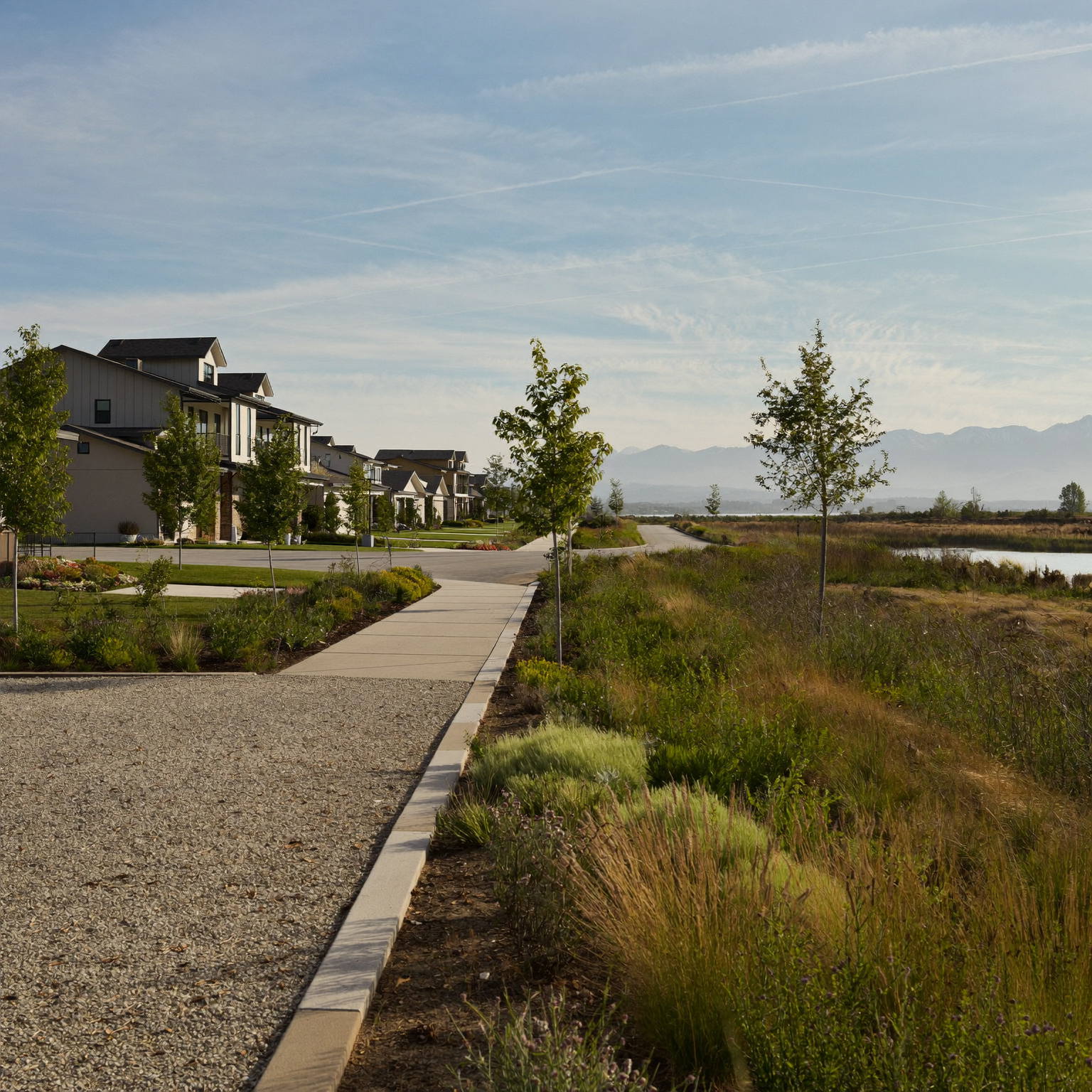
Yes, Barefoot Lakes can be a good fit for buyers who want a newer master-planned community in Firestone with neighborhood amenities and access to northern Front Range employment centers. The decision should come down to the specific home's total monthly cost, location within the community, commute pattern, condition, and resale position rather than the neighborhood name alone.
I would not recommend buying here based only on a model home, attractive streetscape, or online photos. Barefoot Lakes includes different home types, construction periods, lots, associations, and ownership costs, so buyers need to compare individual properties carefully.
Start with the lifestyle, not the floor plan
Barefoot Lakes is in Firestone, east of Interstate 25. Its location can appeal to buyers who want access to Longmont, the Interstate 25 corridor, and other parts of Northern Colorado without living in a more established urban center.
The community's newer construction, open spaces, trails, lakes, and shared amenities are central to its identity. That environment may be attractive if you value a planned neighborhood layout and recreational features close to home. It may be less appealing if you prefer mature landscaping, an older street grid, a highly walkable downtown, or minimal community rules.
Before touring, write down what you actually need from the location. Consider where you work, how often you commute, which errands must be convenient, whether you want neighborhood amenities, and how much exterior maintenance you are willing to handle. That list will make it easier to separate an impressive house from a practical long-term choice.
What kind of buyer is a strong fit for Barefoot Lakes?
Barefoot Lakes may fit a buyer who prioritizes newer homes, planned amenities, neighborhood trails, and access to the northern Interstate 25 corridor. It can also work for someone comparing Firestone with communities closer to Longmont or other growing areas east of the highway. Buyers who want older architecture, mature trees, direct downtown walkability, or fewer association-related obligations may want to broaden their search before deciding.
Evaluate the location at the times you will use it
A map gives you distance, but it does not tell you how the location will function during your normal week. Drive your likely route during the hours when you would actually travel. Test the trip to work, grocery stores, medical providers, recreation, and the places you visit regularly.
Colorado Highway 119 is an important connection toward Longmont, while Interstate 25 provides north-south access. Conditions can change with traffic, construction, weather, and the exact entrance you use. A house deeper within the neighborhood may also add time compared with a property closer to a primary route.
Do not evaluate only the commute to an office. Remote and hybrid workers should check internet service at the address, cellular reception inside the house, room for a dedicated workspace, and noise during the day. A neighborhood can feel different on a weekday afternoon than during a weekend showing.
How does Barefoot Lakes work for commuting?
It can be practical for buyers whose regular travel follows Highway 119 or Interstate 25, but the result is highly address- and schedule-specific. Test the route rather than relying on a listing's estimated drive time. Include the trip from the house to the main road, expected congestion, winter conditions, school traffic, and any alternate route you would use when the primary corridor slows down.
Compare the house and the lot separately
Buyers often focus on finishes because they are easy to see. Lot characteristics can have a larger effect on daily life and future resale.
When comparing homes, look at street position, driveway orientation, exposure, nearby open space, drainage, neighboring uses, and the location of trails or shared facilities. Visit the property more than once if possible. Listen for road noise, observe vehicle movement, and note how close the home sits to neighboring houses.
Colorado sun exposure also matters. It can affect natural light, snowmelt, outdoor comfort, and cooling needs. A west-facing outdoor area may function differently from a shaded one, while driveway orientation can influence how quickly snow and ice clear.
Inside the home, look beyond flooring and countertops. Compare storage, room dimensions, garage usability, mechanical systems, window placement, and whether the layout will still work if your needs change. A flexible office, usable basement, or practical bedroom arrangement may support resale better than highly specialized space.
Are all Barefoot Lakes homes similar?
No. Homes can differ by builder, construction period, floor plan, lot, orientation, finish level, maintenance history, and proximity to community features. Some properties may be newer, while others have had enough time for owners to make changes or for maintenance issues to emerge. Buyers should review each home on its own merits instead of assuming that properties within the same neighborhood are interchangeable.
Calculate the complete ownership cost
The mortgage payment is only one part of the decision. Your comparison should also include property taxes, homeowners insurance, association charges, possible district-related obligations, utilities, maintenance, and any immediate work the property needs.
Request the current association documents and financial information available for the property. Read the rules rather than relying on a summary from a listing or sales representative. Pay attention to use restrictions, architectural approval procedures, maintenance responsibilities, leasing provisions, parking rules, and how shared amenities are funded.
Buyers should also examine the property's tax information and identify any metropolitan district or other local financing structure that applies. The title work, tax certificate, association documents, and lender's figures should be reviewed together. If something is unclear, ask for a written explanation before the contractual deadline.
My background includes more than 14 years in mortgage lending, and this is one area where I see buyers make avoidable mistakes. Two homes with similar prices can produce meaningfully different monthly obligations once taxes, insurance, association charges, and financing are included. A strong approval strategy starts with the full payment, not just the purchase price.
You can establish your financing range through mortgage pre-approval resources before comparing available Firestone homes for sale.
What recurring costs should I verify before making an offer?
Verify the current property tax information, homeowners insurance estimate, association dues, district-related taxes or assessments, utility expectations, and likely maintenance costs for the specific address. Ask whether any charges are billed separately and whether approved changes are pending. Your lender can estimate the payment, but you should confirm property-specific documents during due diligence because listing information may be incomplete or outdated.
Treat amenities as both a benefit and an obligation
Community amenities can add real day-to-day value when they match how you live. They also come with rules, maintenance responsibilities, and costs.
Walk the routes you expect to use rather than simply noting that trails or lakes appear nearby. Determine whether the path from the house is convenient, whether street crossings feel practical, and whether the facilities support your actual routine. Ask which amenities are included, who controls access, what rules apply, and whether any feature shown in marketing material is existing, planned, or subject to change.
A home near an amenity may offer convenience, but it can also experience more activity, lighting, parking, or noise. A more distant lot may be quieter but less convenient. Neither is universally better. The right choice depends on your priorities and how future buyers may view the same position.
How should I evaluate the Barefoot Lakes amenities?
Evaluate them based on what exists, what you are permitted to use, and how often you realistically expect to use it. Review association materials for access rules, operating responsibility, guest policies, and maintenance obligations. Then visit the relevant areas from the home itself so you understand walking distance, street crossings, activity levels, and potential effects on privacy.
Verify schools by address
School district information can influence a buyer's search even when the buyer does not currently have school-age children. Attendance boundaries and assignments can change, and online real estate portals are not the controlling source.
For every property, verify the assigned schools directly with the district using the exact street address. Do the same if a listing mentions a particular school or if school access is important to your purchase. Transportation eligibility, open enrollment, and program availability should also be confirmed with the appropriate district.
Which schools serve Barefoot Lakes?
Assignments must be verified for each address directly with the applicable school district because attendance boundaries, grade configurations, and enrollment policies can change. Do not rely solely on a listing, map, previous owner's experience, or third-party website. If a particular school is part of your decision, obtain current confirmation from the district before your inspection and due diligence deadlines expire.
Use property-specific Colorado due diligence
Newer does not mean maintenance-free, and a recently built home still deserves an independent inspection. Inspectors may identify grading or drainage concerns, roof or exterior issues, incomplete repairs, mechanical defects, moisture conditions, or ordinary maintenance that has been deferred.
Review permits when relevant, especially if the owner finished a basement, added electrical work, installed equipment, or altered the exterior. Confirm whether modifications received required association approval. Also review the title commitment, survey or improvement location information when available, easements, utility locations, and any recorded restrictions.
Firestone-area buyers should pay attention to surrounding land uses as part of normal due diligence. Look beyond the immediate block and investigate nearby roads, utility facilities, agricultural activity, future development parcels, and oil and gas information available through official sources. The point is not to assume a problem. It is to understand what is around the property before you own it.
Colorado buyers should also investigate drainage, flood information, radon, expansive soils, insurance availability, and mineral or water rights when applicable. The appropriate review depends on the property, so contract deadlines should preserve enough time to obtain professional guidance.
Does a newer Barefoot Lakes home still need an inspection?
Yes. An independent inspection can reveal construction defects, drainage concerns, incomplete repairs, safety issues, or maintenance needs that are not obvious during a showing. Buyers should also consider specialized evaluations when the property's condition or location warrants them. A builder warranty or seller disclosure is useful, but neither replaces a buyer's own investigation.
Compare Barefoot Lakes with nearby alternatives
A good neighborhood decision requires a comparison set. Tour homes outside Barefoot Lakes with similar payment ranges and commute options. This shows whether you are paying for features you genuinely value or simply reacting to the presentation of one community.
Within Firestone, compare the setting and housing choices in Saint Vrain Ranch and Booth Farms. These are not substitutes in every respect, but visiting alternatives can clarify whether Barefoot Lakes' planning, amenities, home styles, and location are worth prioritizing.
You can also use my Northern Colorado community guide to consider how Firestone fits into the broader region. Keep the same scorecard for every tour: total monthly cost, commute, lot, home condition, rules, amenities, and likely resale audience.
How can I protect resale when buying in Barefoot Lakes?
Choose a property with broadly useful features and understand any location tradeoffs before you buy. Practical layouts, adequate storage, functional parking, natural light, outdoor usability, and a lot without an obvious negative influence can support future marketability. Avoid assuming that upgrades alone will overcome an awkward floor plan, heavy nearby activity, restrictive rules, or a higher total ownership cost.
My bottom line
Barefoot Lakes deserves consideration if its location, newer housing, and planned amenities align with your priorities. It should not receive an automatic yes simply because the community presents well.
The safest approach is to compare several homes, calculate the complete payment, read the governing documents, test the commute, verify schools by address, and investigate the property and surrounding land uses. After closing 76 transactions in the last five years, I have found that buyers are usually happiest when they make the neighborhood decision and the house decision separately. Barefoot Lakes may be the right community, but the specific address still has to earn the offer.
Related Articles
- Is Fort Collins Walkable for Home Buyers?Fort Collins can support a walkable lifestyle, but the experience varies significantly by neighborhood. Buyers should evaluate everyday destinations, street design, transit, trails, and winter conditions before choosing a home.
- Moving to Colorado: Cost, Cities, Weather, Schools and LifestyleA REALTOR's answers to the five questions people ask before moving to Colorado: what homes cost, which town to choose, what the weather is really like, how schools work, and what daily life looks like on the Front Range.
- Best Neighborhoods in Fort Collins: How to Choose the Right Area for Your LifestyleCompare the best neighborhoods in Fort Collins by lifestyle, walkability, outdoor access, and convenience so you can choose the right area for your next move.